
China’s postal, express delivery sector sees growth in delivery business, revenue in 2025
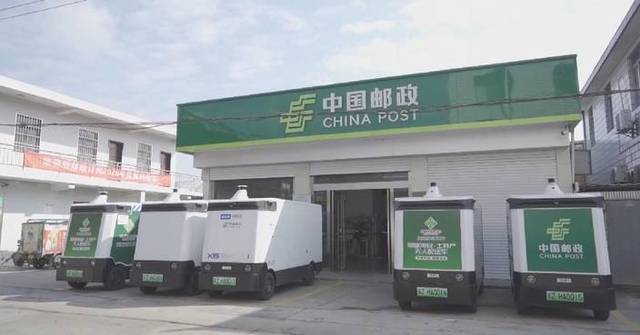
China’s broader postal industry, which includes express delivery services, processed 216.5 billion parcels in 2025, generating revenue of 1.8 trillion yuan (257.6 billion U.S. dollars), up 11.5 percent and 6.4 percent year on year, respectively, according to the latest official data released by the State Post Bureau.
In the year, the postal and express delivery sector supported online retail sales exceeding 14 trillion yuan (2 trillion U.S. dollars), the data show.
China’s delivery network has continued to expand and mature, with well-developed postal and express hubs in major economic clusters including the Yangtze River Delta in east China, the Guangdong-Hong Kong-Macao Greater Bay Area city cluster in south China, and the Chengdu-Chongqing Economic Circle in southwest China.
Rural coverage has also improved markedly in the year. By the end of 2025, China had opened 13,000 integrated postal-transport routes and built 145,000 service stations nationwide, making parcel collection and delivery significantly more convenient for rural residents.
“Before the village express station was set up, we had to travel to a nearby town to collect our parcels, which meant more than an hour’s drive. Now, after the station was built, it takes just two minutes. It is also much easier to send our local specialty products to friends and family members, with the parcels delivered in only two to three days,” shared Gu Runrun, a villager from northwest China’s Gansu Province.
At the same time, China has accelerated the build-up of its international logistics system. The number of overseas warehouses reached 374, with 41 added in 2025, totaling over 1.2 million square meters. In 2025, international and Hong Kong, Macao, and Taiwan parcel volumes climbed to 4.2 billion items, posting an average annual growth of over 18 percent.
The sector has actively adapted to emerging consumption trends such as livestream retail and social media e-commerce, and has facilitated expanded consumer goods trade-in initiatives, supporting online tangible goods retail totaling over 14 trillion yuan (2 trillion U.S. dollars).
It also played an increasingly important role across manufacturing supply chains, serving advanced industries including healthcare and new energy vehicles. The application by the broader postal industry of smart logistics technologies has accelerated, with unmanned warehouses, drones, and autonomous delivery vehicles being widely adopted. More than 450 drones are now in operation, delivering nearly 4 million parcels annually.
“Looking ahead, we will further integrate artificial intelligence into postal and express services and better foster new quality productive forces, with a focus on addressing bottlenecks and challenges in unclogging channels for economic circulation. We will also focus on developing the national logistics hub network, and keep deepening the construction of rural delivery systems, in efforts to bring into better play the role of the post industry’s comprehensive service network in providing basic support for rural areas in central and western China,” concluded Liu Ying, spokeswoman for the State Postal Bureau.
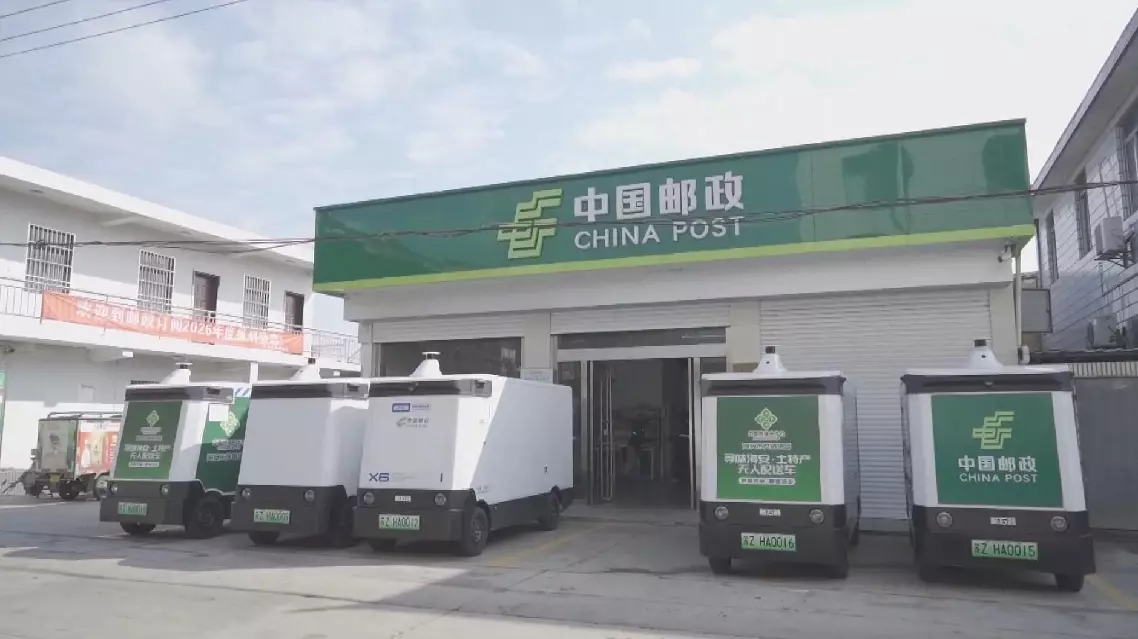
China’s postal, express delivery sector sees growth in delivery business, revenue in 2025
Over 200,000 vehicles from Hong Kong and Macao have registered for permits to drive in Guangdong Province as of Friday, according to statistics from Gongbei Customs in Guangdong’s Zhuhai.
On January 1, 2023, a policy known in short as “Macao vehicles going northbound” was officially implemented. After completing the application procedures and obtaining customs clearance approval, car owners from Macao Special Administrative Region (SAR) can drive their private cars into Guangdong via the Zhuhai Port on the Hong Kong-Zhuhai-Macao Bridge.
The same policy was implemented for car owners in Hong Kong on July 1, 2023, greatly facilitating travel between Guangdong and the SAR.
By the end of 2025, customs had cumulatively supervised over 8.345 million single-license-plate vehicles from Hong Kong and Macao entering and exiting Guangdong through the bridge port.
With another policy allowing Guangdong private cars that have completed the procedures to travel directly to downtown Hong Kong via the bridge implemented on Dec 23, 2025, the bridge port now sees an average of 18,000 vehicles passing through daily, making the vision of a “one-hour living circle” in the Guangdong-Hong Kong-Macao Greater Bay Area a reality.
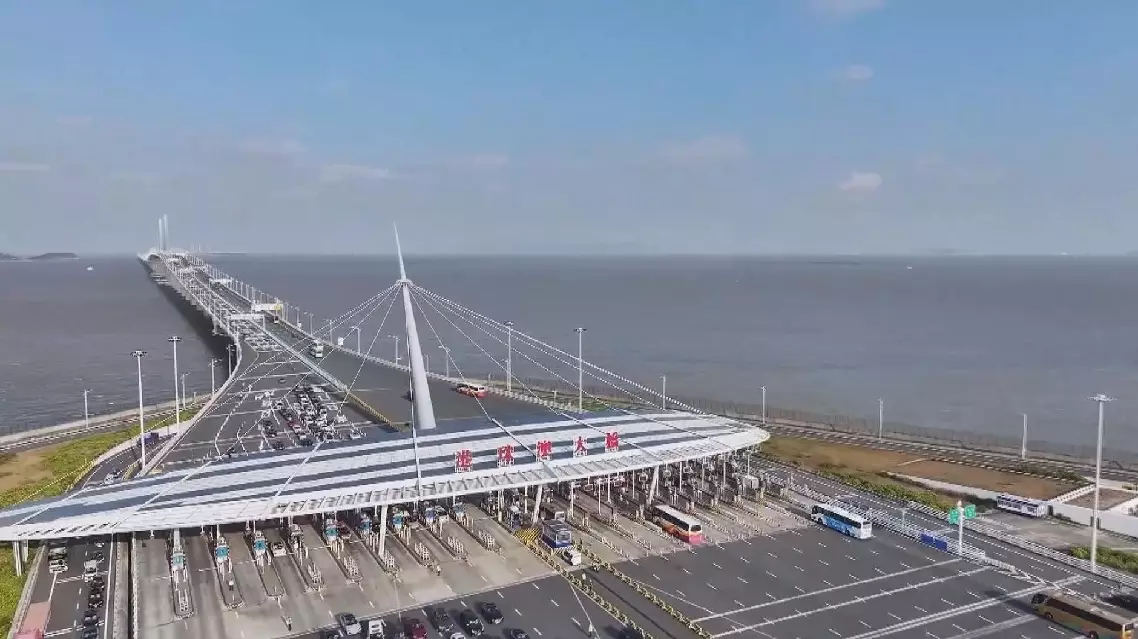
Over 200,000 Macao, HK vehicles registered for direct travel to mainland
link



/https://i.s3.glbimg.com/v1/AUTH_63b422c2caee4269b8b34177e8876b93/internal_photos/bs/2026/S/B/7tcnNwRWuM0qjxiJPdDQ/foto09emp-101-chat-b6.jpg "When advertising enters the conversation with consumers")


